If you are thinking about fitting air conditioning at home, you are not alone. Over the past few summers, we have had more homeowners across Hampshire asking how the process works and whether it is something they can tackle themselves. If you have been searching for an air conditionining installer homeowners trust, it helps to understand what is actually involved before making a decision.
This guide walks you through the basics of installing a home air conditioning unit, the different system types available and when it makes sense to call in an experienced engineer.

Introduction to Home Air Conditioning Installation
Home air conditioning installation is not just about mounting a box on the wall and plugging it in. Modern systems are efficient, discreet and surprisingly quiet, but they rely on careful design and precise setup to work properly.
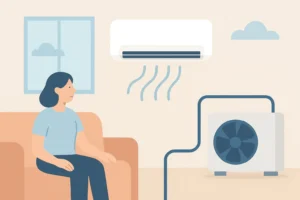
In most UK homes, particularly around Southampton, Winchester and Portsmouth, we are installing wall mounted split systems. These consist of an indoor unit and an outdoor condenser connected by pipework and electrics. The outdoor unit removes the heat extracted from inside your home.
A typical installation involves:
- Surveying the space and calculating the correct unit size
- Choosing the best location for indoor and outdoor units
- Installing refrigerant pipework and condensate drainage
- Connecting electrics safely and in line with regulations
- Pressure testing, vacuuming and commissioning the system
Skipping or rushing any of these stages can lead to poor performance, higher running costs or long term faults.
Types of Air Conditioning Units and Choosing the Right One
Wall Mounted Split Systems
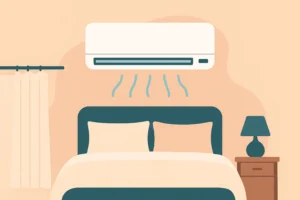
These are by far the most common choice for UK houses. The indoor unit sits high on a wall and distributes cool air evenly across the room. They are neat, efficient and suitable for bedrooms, lounges and home offices.
If you are cooling one or two rooms, a single split system is often enough. For larger homes, multi split systems can connect several indoor units to one outdoor condenser.
Ducted Systems
Ducted air conditioning is more common in larger properties or high end renovations. The system is hidden in the ceiling or loft space, with vents supplying each room. It gives a very clean finish but requires more upfront planning and building work.
Portable Units
Portable air conditioners are the units you can buy from DIY shops. They can take the edge off the heat but they are noisy and less efficient. You will still need to vent them through a window which is not ideal for security or appearance.
When choosing a system, sizing is critical. We regularly see homeowners who have bought a unit online that is too small for the space. It then runs constantly, struggles in a heatwave and wears out sooner than it should. A heat load calculation takes into account:
- Room size and ceiling height
- Number and size of windows
- Insulation levels
- Whether the room faces south or west
- How the space is used, for example a busy kitchen or a quiet bedroom
This is where a proper site survey makes a big difference.
Step-by-Step Guide to Installing a Home Air Conditioning System
While F Gas regulations mean refrigerant work must be carried out by a qualified engineer, it is useful to understand the process.
1. Planning and Positioning
The indoor unit is usually positioned high on an external wall. We look for clear airflow, away from direct obstructions like tall wardrobes. Outdoor units need solid mounting brackets and good airflow. In tighter streets around older parts of Winchester, noise positioning can be especially important to avoid disturbing neighbours.
2. Mounting the Indoor Unit
A metal back plate is fixed securely to the wall. A core hole is drilled through to the outside for pipework and cables. In most brick properties, this is straightforward. In older homes with flint or thick stone walls around parts of Hampshire, it can take a bit more time and care.
3. Installing the Outdoor Condenser
The outdoor unit is fixed to wall brackets or placed on anti vibration feet at ground level. It must sit level to prevent operational issues. Pipework is then run neatly between indoor and outdoor units, often enclosed in trunking for a tidy finish.
4. Connecting Pipework and Electrics
Refrigerant pipes are cut, flared and connected. The system is pressure tested and vacuumed to remove any moisture or air. Electrical connections must comply with UK wiring regulations and in many cases a dedicated supply is required.
5. Commissioning and Testing
Once connected, the engineer releases refrigerant into the system, checks for leaks and tests cooling performance. We also show homeowners how to use the remote or app controls properly. It sounds simple, but setting timers and modes correctly can significantly improve efficiency.
If you want a clearer idea of how systems are set up in different property types, the air conditioning installation services page explains what is involved across various homes.
When to Hire a Professional Installer and Key Considerations
In the UK, any work involving refrigerant gases must legally be carried out by an F Gas certified engineer. So while you might be comfortable with basic DIY, the core parts of a split system installation are not suitable for unqualified fitting.
You should seriously consider a professional installer if:
- You are installing a fixed split or multi split system
- The property has complex electrics
- You are unsure about correct unit sizing
- You want manufacturer warranties to remain valid
We often get asked whether planning permission is needed. In most standard house installations, it falls under permitted development. However, flats and listed buildings can have additional requirements, particularly in central Winchester and parts of Portsmouth.
Another consideration is future servicing. Air conditioning units should be cleaned and checked regularly to maintain efficiency and air quality. If you are based in areas such as Southampton or Hedge End, having a local team who can return for routine maintenance makes life easier.
Ultimately, a well installed system should run quietly in the background. You should not notice rattles, excessive vibration or warm spots in the room. When installed properly, modern units also provide efficient heating in winter which many of our customers now use instead of traditional radiators during milder months.
If you are considering fitting air conditioning and want straightforward advice tailored to your home, speaking to an experienced local installer is the safest route. Becketts Plumbing and Heating works with homeowners across Hampshire to design and install systems that suit the property rather than pushing a one size fits all solution.
Get in touch today to arrange your home air conditioning installation or request a personalised quote from our expert team. Contact us here.